Describe the problem clearly
Note when it began, which taps are affected, and whether you notice it in hot water, cold water, or both.
Compare common well water problems
Clear, independent guidance to help you identify common problems, choose the right tests, and understand your options before buying treatment.
No diagnosis by appearance. Start with evidence, then compare testing, professional help, and treatment options.
Use another known-safe water source for drinking, cooking, brushing teeth, making ice and infant formula if floodwater reached the well, the cap or casing is damaged, fuel, chemicals or sewage may be involved, or people are ill and contaminated water is a reasonable concern.
Contact your state or local health department for location-specific testing and disinfection instructions. Call emergency services for severe symptoms or an immediate hazard.
If one bathroom tap has a problem but the kitchen does not, that detail matters. So does a change that appears only in hot water. Compare locations, write down the pattern, and use testing to sort out what to do next.

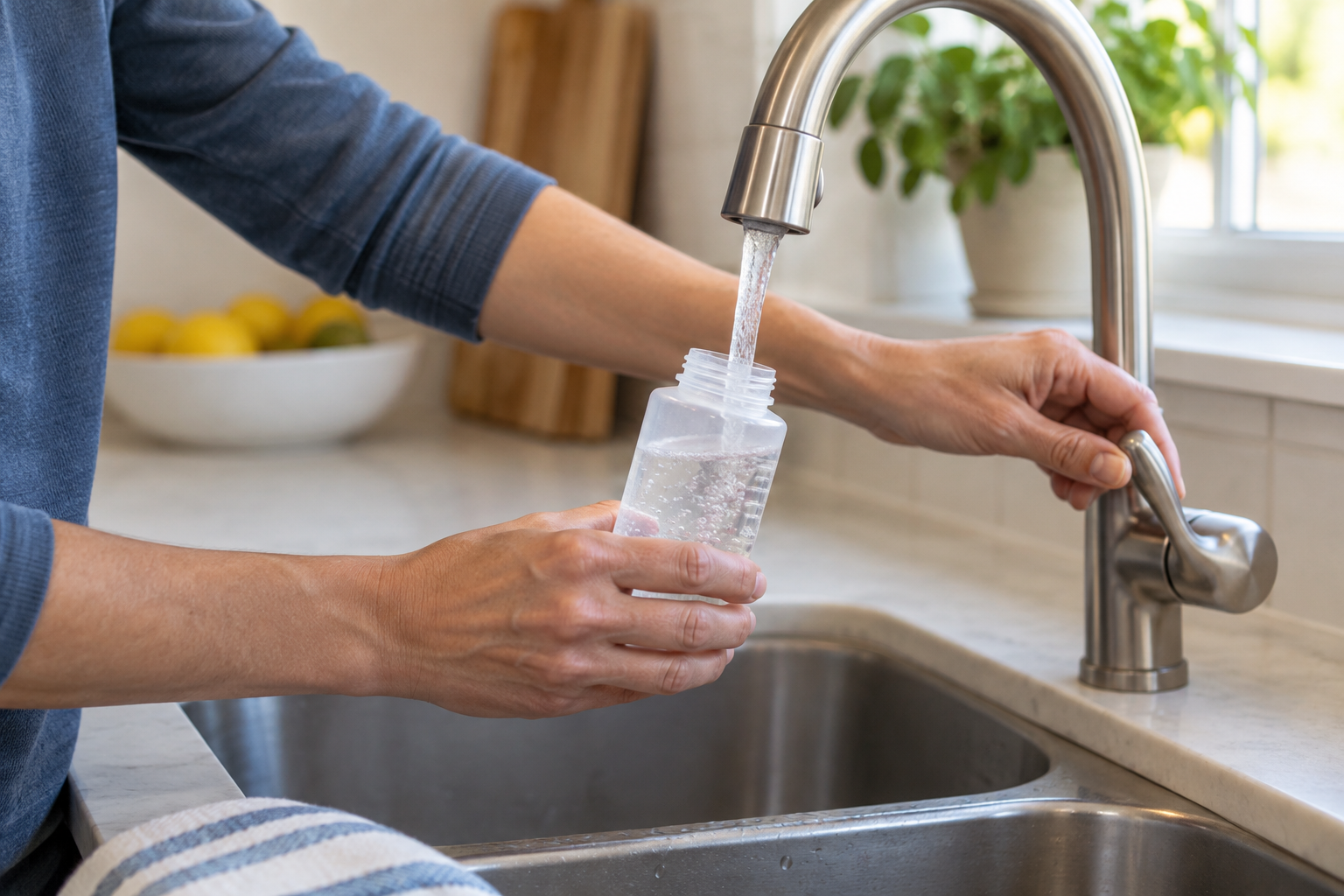
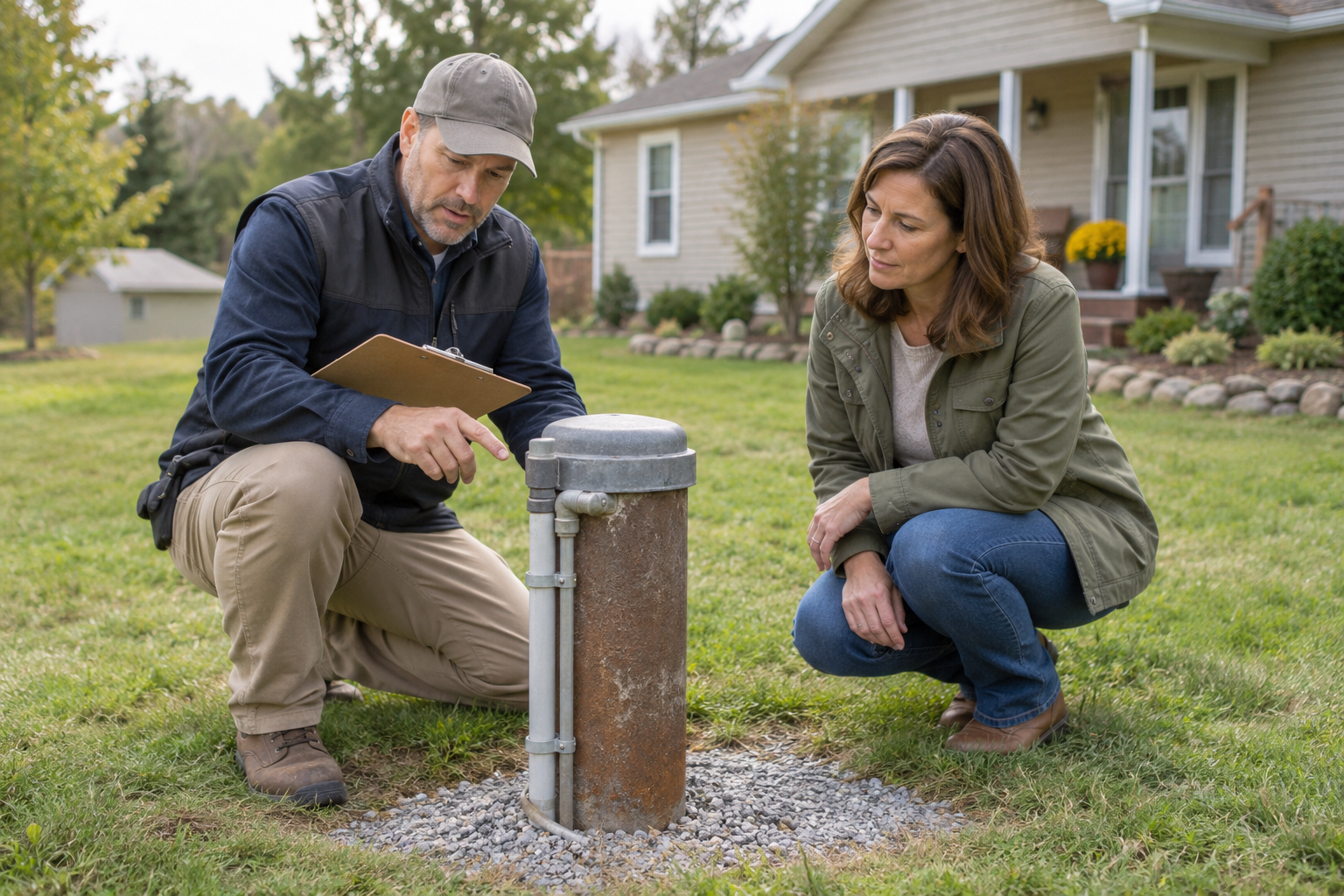
A smell or stain gives you a clue, not a diagnosis. Record the pattern, get the water tested, then use the result to compare the next step.
Note when it began, which taps are affected, and whether you notice it in hot water, cold water, or both.
Compare common well water problemsTell a state-certified drinking-water laboratory what changed. Ask what to test and follow its sampling instructions.
Prepare for certified well water testingCompare treatment using the result, the rest of the water chemistry, your flow needs, and the maintenance each option requires.
Compare well water treatment optionsWalk outside and look for standing water, recent excavation, storm damage, or a loose cap. Do not open the casing. If you find damage, call a qualified well professional.
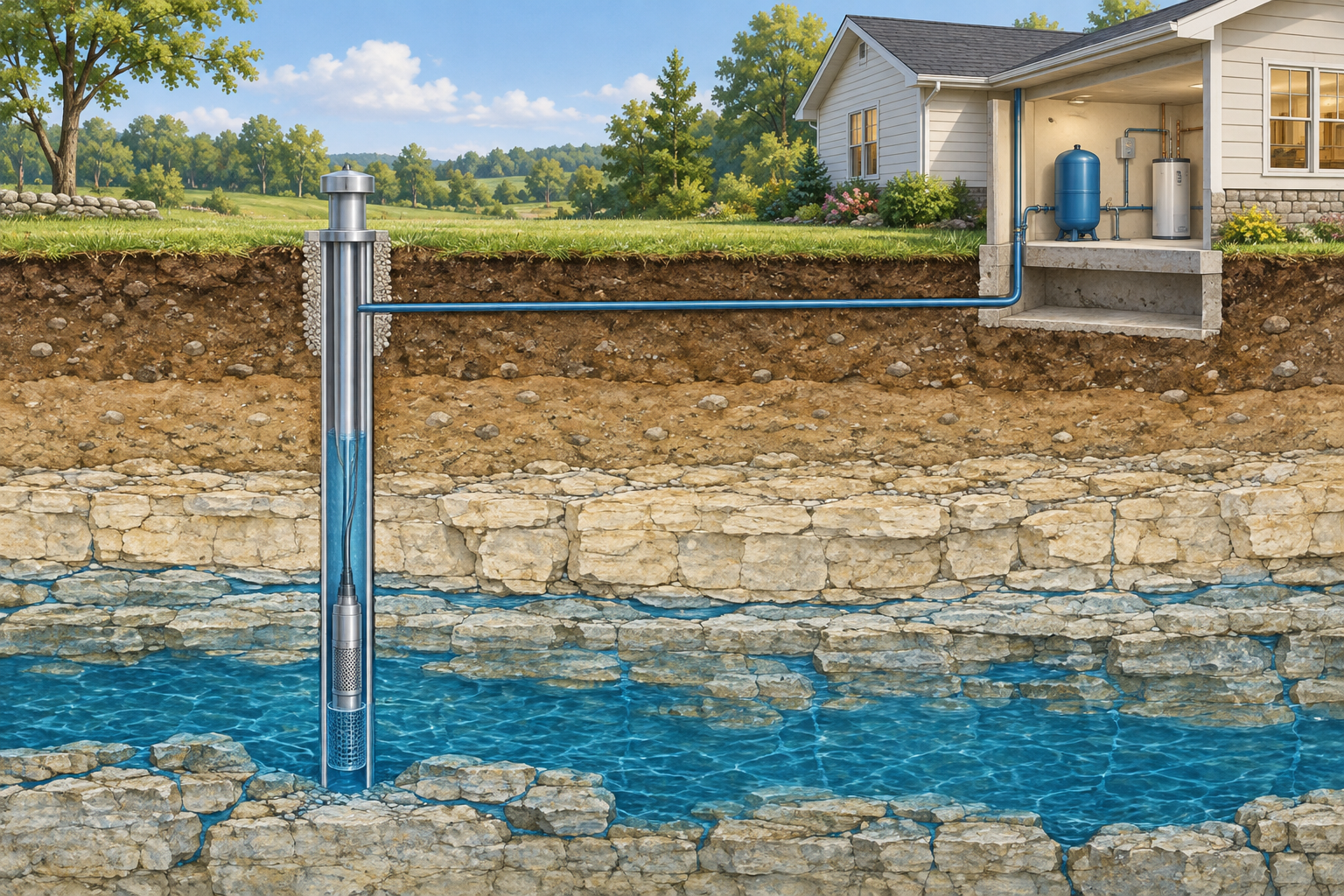
Hover, tap or use the Tab key to explore the well.
When the question is health or safety, start with your health department and public agencies that do not sell water treatment equipment.