
Buying or Selling · Buying a Home With a Well
Buying Land With No Well: How to Check for Water Before You Buy
Before you buy a rural lot or acreage that has no well, here is how to research water availability, read nearby well records, talk to the right people, and protect yourself in the purchase contract.
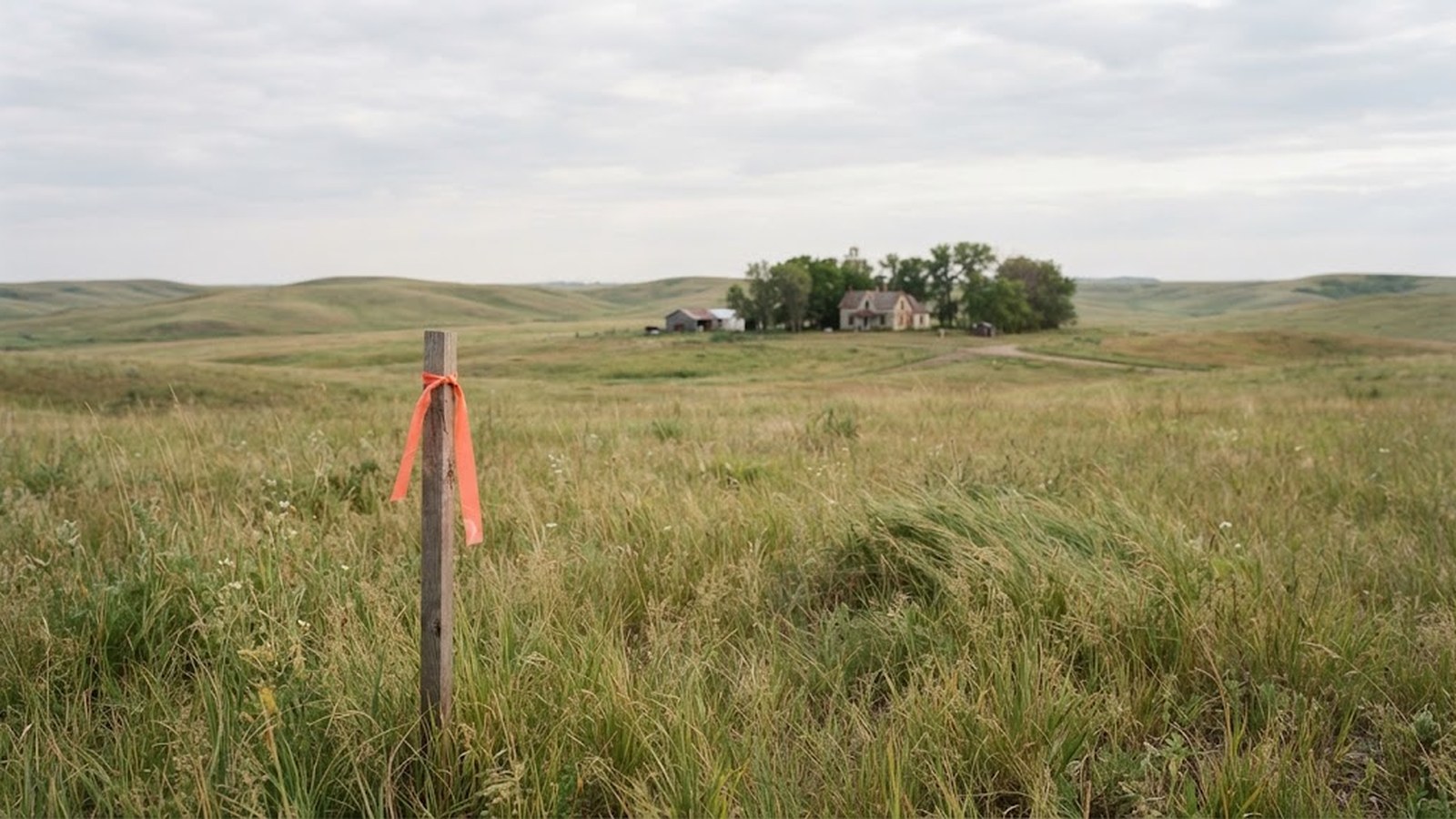
Buying raw land is exciting. You walk the property, imagine where the house will sit, and picture the garden, the workshop, and the view from the porch. But if the land has no well and no public water line, one question sits underneath all of those plans: will there be water?
In many places, the answer is yes, and a new well is a routine part of building. In others, water can be deep, scarce, expensive to reach, or of a quality that needs treatment. Sometimes it is simply unpredictable. The frustrating part is that you usually cannot know for certain until a well is drilled, and by then, you may already own the land.
This guide is about reducing that uncertainty before you buy. You cannot guarantee a result, but you can gather a surprising amount of evidence from public records, neighbors, local offices, and professionals. You can also structure your purchase so that you are not stuck if the evidence looks bad.
Learn why water decides what you can build, spend and borrow
On a lot with a house already on it, the well is a known quantity, even if it needs work. On raw land, water is a big unknown that touches almost everything else. Many jurisdictions require an approved water supply before they issue a building permit, so water can decide whether you can build at all. Drilling depth and conditions vary, and so does the cost, which means your construction budget depends on it too. The well, the septic system, and the house also have to fit together on the lot under local rules, so water affects where the house can go.
It reaches your long-term costs as well. Local groundwater quality influences what treatment you may need, and some lenders want evidence of water before they fund construction. Finally, a lot with uncertain water may be worth less than a lot with a proven supply nearby. That is a lot riding on something you cannot see, and it is worth doing homework to protect your money and your plans.
Step one: find out if public water is available, so you know if you need a well
Before thinking about wells at all, find out whether a public or community water system serves the area, or could. Sometimes a water main runs along the road, or a nearby development has a community system that might accept new connections.
Ask these sources:
- The local water utility or public works department
- The county or town planning office
- Your real estate agent
- Neighbors along the road
If public water is available, compare the cost of connecting with the cost and uncertainty of a well. If it is not, move on to researching groundwater.
Step two: read nearby well records to see what water others found
In many states, well drillers are required to file a record each time they drill a well. These go by names like well log, well completion report, well construction record, or water well record. The records are often held by a state agency, such as a department of environmental quality, natural resources, health, or water resources, and many states have searchable online databases or maps.
A record can tell you where the well sits, the date it was drilled, and its total depth. It often shows the depth at which water was found, the static water level, and the casing depth. Many also describe the soil and rock the driller met and give an estimated yield at the time of drilling. Together, those details show how hard water was to reach and how much came up.
A handful of nearby records can tell you a great deal. If most wells within a mile or two found water at similar depths and yields, that is encouraging. If records show wide variation, very deep wells, or some notes about dry holes, that tells you the area is less predictable.
Read nearby records without being misled by one result
Look at several records, not just one, because a single well can be an outlier. Give the closest ones the most weight, since groundwater conditions can change over short distances, especially in bedrock areas. Notice the dates: older records may have been measured differently, and conditions may have changed since. Read depth and yield together, because a deep well with good yield and a shallow well with poor yield tell different stories.
Look for dry holes too. Some databases include wells that did not find enough water, and those are valuable information. Finally, remember that records have limits. Not every well was recorded, especially older ones, and the accuracy of historical records varies.
If you cannot find the records yourself, the state agency, your county health department, or a local well driller may be able to help.
Step three: ask neighbors about their water to learn what records miss
Neighbors are an underused source of information. Most people with wells are happy to talk about them, and they know things that no record contains.
Start with friendly questions. How deep is your well, and when was it drilled? Have you ever run low on water? What is your water like, and do you use any treatment? Who drilled your well, and would you recommend them? Have any neighbors had trouble finding water, and does the water situation change in dry years? Each answer tells you something about the supply and the surprises you might face.
Keep in mind that one neighbor's experience may not match yours, and people's memories are not always precise. But if you hear the same story from three or four households, you are learning something real.
Step four: ask local drillers what to expect on this land
Local well drilling contractors have drilled many wells in the area and often have a good sense of what to expect. Many will talk with a prospective buyer about general conditions, even if they cannot promise anything about a specific lot.
Ask what depths and yields are typical around here, and whether there are common water quality issues in the area. Ask whether the driller has worked on or near this property or road, and whether any parts of the area make finding water harder. Find out what a typical well costs here and what drives the cost up, so your budget is realistic. Ask how far out the driller is booking right now, since that affects your building schedule. If you can, ask whether the driller will look at the lot and give an opinion on access for the equipment.
A driller's opinion is not a guarantee, but it is grounded in local experience. Talking with more than one is a good idea. Our article on comparing well drilling quotes explains how to evaluate what you hear.
Step five: check permits and setbacks early, before they limit your plans
Local rules shape where and how you can put a well on the land. The county or local health department, or a state agency, is usually the place to ask. Our Buying or Selling page has guidance on finding the right office.
Ask whether a permit is required to drill a well, and what setback distances apply between the well and a septic system, property lines, buildings, roads, and other features. Ask whether there is a minimum lot size for having both a well and a septic system. Find out whether special rules apply in this area, such as protected water supply zones, known contamination areas, or water use restrictions. Ask whether water testing is required after drilling, and whether there are minimum yield or quality standards for a building permit. Last, ask whether any water rights issues in this state affect a new domestic well.
The water rights question matters especially in some western states, where water rights law can affect how groundwater may be used. Rules differ greatly from state to state, so ask locally rather than assuming.
Step six: plan septic with the well, so both fit on the lot
On most rural lots, the well and the septic system have to share the land. Setback rules mean they must be a certain distance apart, and both need to be suitable for their locations. If the lot has limited space, steep slopes, wet areas, or rock close to the surface, fitting both can be a challenge.
In many areas, a soil evaluation or percolation test is needed to determine whether a septic system can be installed and where. If you are buying land, it is often smart to handle the septic evaluation and the water research together, because the answers affect each other. Our article on living with a well and septic system on the same lot explains why their relationship matters.
Step seven: walk the land for clues about access, drainage and risks
When you walk the property, look for things that could influence well placement and water quality:
Start with access. Can a well drilling rig get to the likely well location? Rigs are large and heavy, so soft ground, steep slopes, narrow gates, low branches, and overhead power lines all matter. Then look at drainage: low areas that collect water are generally not good well sites, and you want a location where surface water drains away. Note the neighboring land use too. Farm fields, livestock operations, fuel storage, old dumps, or industrial sites nearby are worth asking about, because they can affect the water you will drink.
Look for signs of an old well, cistern, or hand pump from a previous homestead. If one exists, it may need to be properly closed. Our article on old or unused wells covers this. Springs, seeps, and wet areas can tell you something about shallow water, but they do not guarantee a good well. Visible bedrock can hint at conditions below, though only drilling truly tells.
Our article on choosing where to put a new well on your lot goes into more depth.
Step eight: learn local water quality, so treatment costs are no surprise
Even if water is plentiful, its quality matters. Some regions have naturally occurring substances in groundwater that often call for testing and sometimes treatment. Others have concerns related to land use.
Before you buy, you can learn about local water quality in several ways:
- Ask neighbors whether they use treatment and what for
- Ask local drillers and treatment professionals what they commonly see
- Check with your county or state health department, which may have information about common issues in the area
- Look for published state or regional groundwater information
You will not know your specific water quality until a well is drilled and tested by a certified laboratory. But if everyone on the road has a treatment system for the same issue, you can plan for it. Our Contaminants and Lab Results page explains many common groundwater concerns.
Step nine: decide if a professional is worth the cost for this purchase
For some buyers, especially those looking at expensive land or areas with unpredictable water, it may make sense to bring in professional help beyond a driller.
Options may include:
- A hydrogeologist or groundwater consultant, who can review geology and records and give a professional opinion about water prospects in the area
- A local engineer or surveyor, who can help with site layout, septic, and well placement
- A real estate attorney, who can help structure the purchase contract
Whether this is worth the cost depends on the property, the price, and how much uncertainty the records and neighbors reveal. For a lot in a well-established area where every neighbor has a good well, it may be unnecessary. For a large purchase in an area with mixed results, it may be money well spent.
Step ten: add a contract exit in case the water falls short
Evidence helps, but the strongest protection is a purchase contract that gives you a way out if water turns out to be a problem. Real estate law varies by state, so work with your agent and, if needed, an attorney.
Some buyers protect themselves with these approaches:
- A due diligence or feasibility period, giving you time to research water, septic, and permits before you are fully committed
- A contingency based on a successful well, sometimes allowing a test well to be drilled before closing
- A contingency based on a septic evaluation, so you are not stuck with land that cannot support a home
- A contingency based on obtaining permits
A test well contingency, where it can be negotiated, is the most direct way to answer the water question before you own the land. It usually requires the seller's permission, a clear agreement about who pays, what happens to the well if the sale falls through, and what result counts as success. Not all sellers will agree, and it may not be practical in every market, but it is worth asking about when water is uncertain.
Check the special situations that can change your water picture
Some land purchases come with twists that change the water question.
Buying in a new rural subdivision: what to ask about water
When a larger parcel has been divided into several lots, the developer or seller may have already done some water research, or even drilled wells on some lots. Ask whether any wells have been drilled in the subdivision, what they found, and whether any lots have had difficulty. Ask whether the subdivision approval included any water studies, and whether copies are available from the planning office. Ask whether there are deed restrictions or covenants about wells, shared water systems, or water use.
Planning for a shared or community well: get the terms in writing
Some subdivisions plan for several homes to share one well or a small community system instead of each lot having its own. That can work well, but it comes with questions: who owns the system, who maintains it, how costs are split, what happens if it fails, and whether a written agreement or association governs it. Get those answers in writing before you buy.
Seeing cisterns or hauled water nearby: find out why neighbors chose them
In some areas, particularly where groundwater is scarce or of poor quality, households rely on cisterns filled by hauled water, rainwater collection, or a combination. If you see this in the neighborhood, it is a strong signal to research carefully. It does not necessarily mean a well is impossible, but it does mean you should understand why neighbors made that choice.
Finding an old, unused well on the land: do not count on it yet
Sometimes raw land comes with an old well from a previous home or farm. It may be tempting to assume the water problem is solved. It may not be. An old well may be poorly constructed by modern standards, may not meet current setback rules, may be damaged, or may have been abandoned for a reason. Have a qualified well professional evaluate it, check whether it can legally be used for a new home, and test the water through a certified laboratory before counting on it.
Buying a large or remote parcel: expect more research and budget
On large acreage, you may have more choices about where to drill, which can be an advantage. But remote locations can also mean fewer nearby records, fewer neighbors to ask, longer distances for power and water lines, and higher costs to get equipment in. Plan for more research and more budget cushion.
Avoid seven land-buying mistakes that leave buyers short of water
Assuming water because neighbors have it. Nearby wells are a strong clue, but groundwater can vary over short distances, especially in bedrock.
Relying on one number. A single record, a single neighbor, or a single driller's guess is a starting point, not an answer.
Ignoring access. A great well site that no rig can reach is not a great well site.
Forgetting the septic system. Water and wastewater share the lot. Plan them together.
Skipping the local rules. Setbacks, permits, and special area rules can limit where a well can go, or whether a permit will be approved.
Not budgeting for uncertainty. Even in good areas, wells can need to go deeper than expected, or water may need treatment. Build some cushion into your budget.
Closing without a contingency. When water is uncertain, giving up your ability to walk away is a big risk.
Use this checklist to see how much you know before you commit
Before you commit to buying land without a well, try to check off most of these. Each item closes a gap that is hard to fix after closing.
- Confirmed whether public water is available
- Found and reviewed nearby well records
- Talked with several neighbors about their wells
- Talked with at least one or two local well drillers
- Checked local permit requirements and setback rules
- Considered septic suitability alongside well placement
- Walked the land with access and drainage in mind
- Learned about common local water quality issues
- Considered whether professional help is warranted
- Negotiated contract protections appropriate to the level of uncertainty
Budget for the well, pump and extras, with a cushion for surprises
Even with good research, the cost of a new well varies. It depends on depth, geology, local rates, the pump and pressure system, the distance from the well to the house, any needed treatment, permits, and testing. Local drillers are the best source of current cost ranges for your area.
A sensible approach is to plan for a typical well based on local experience, plus a cushion for surprises. If your research shows wide variation in the area, a bigger cushion makes sense. Our article on planning your first well walks through the full process and the costs that tend to get overlooked, from trenching to the first water test.
See what building the well involves once you own the land
Once you own the land and are ready to build, the well becomes a project in its own right. You will choose a location, get permits, hire a driller, go through drilling day, install the pump and pressure system, and test the water. We have written a series of articles to guide you through each step.
Our series covers planning your first well, from permit to first glass of water, and explains drilled, bored, driven, and dug wells. It also covers choosing where to put a new well on your lot, comparing well drilling quotes, what to expect on drilling day, and what happens after the drill rig leaves: pump, tank, trenching, and first test.
Get quick answers to common land and well questions
Can I drill a test well before closing?
Sometimes. It depends on the seller's willingness, local permit rules, and your contract. It is the most direct way to answer the water question, but it needs a clear written agreement.
Can I trust nearby well records?
They are one of the best free sources of information, but they have limits. Older records may be incomplete, and conditions can vary over short distances. Use several records together.
Does a spring or wet spot mean a well will be easy?
Not necessarily. Surface water and shallow seeps tell you something about shallow conditions, but a household well may draw from very different depths.
Recap the research and take your next step before you sign
On land with no well, water is the first question and the one that shapes everything else. You cannot know for sure until a well is drilled, but you can learn a great deal first. Look up nearby well records. Talk to neighbors and local drillers. Check local rules and septic suitability. Walk the land with a rig's-eye view of access and drainage. Learn about local water quality. And when uncertainty remains, protect yourself in the contract.
The goal is to make the decision with evidence rather than hope, so the dream on the survey stakes has a real chance of becoming a home with good water running from the tap. You will not remove every risk, but each step above shrinks the unknown before you sign.