
Testing · Testing and Lab Results
Questions to Ask Your Local Health Department About Your Well
Your county or state health department often knows things about local groundwater that no website can tell you. Here is how to reach the right office and what to ask so the call is worth your time.
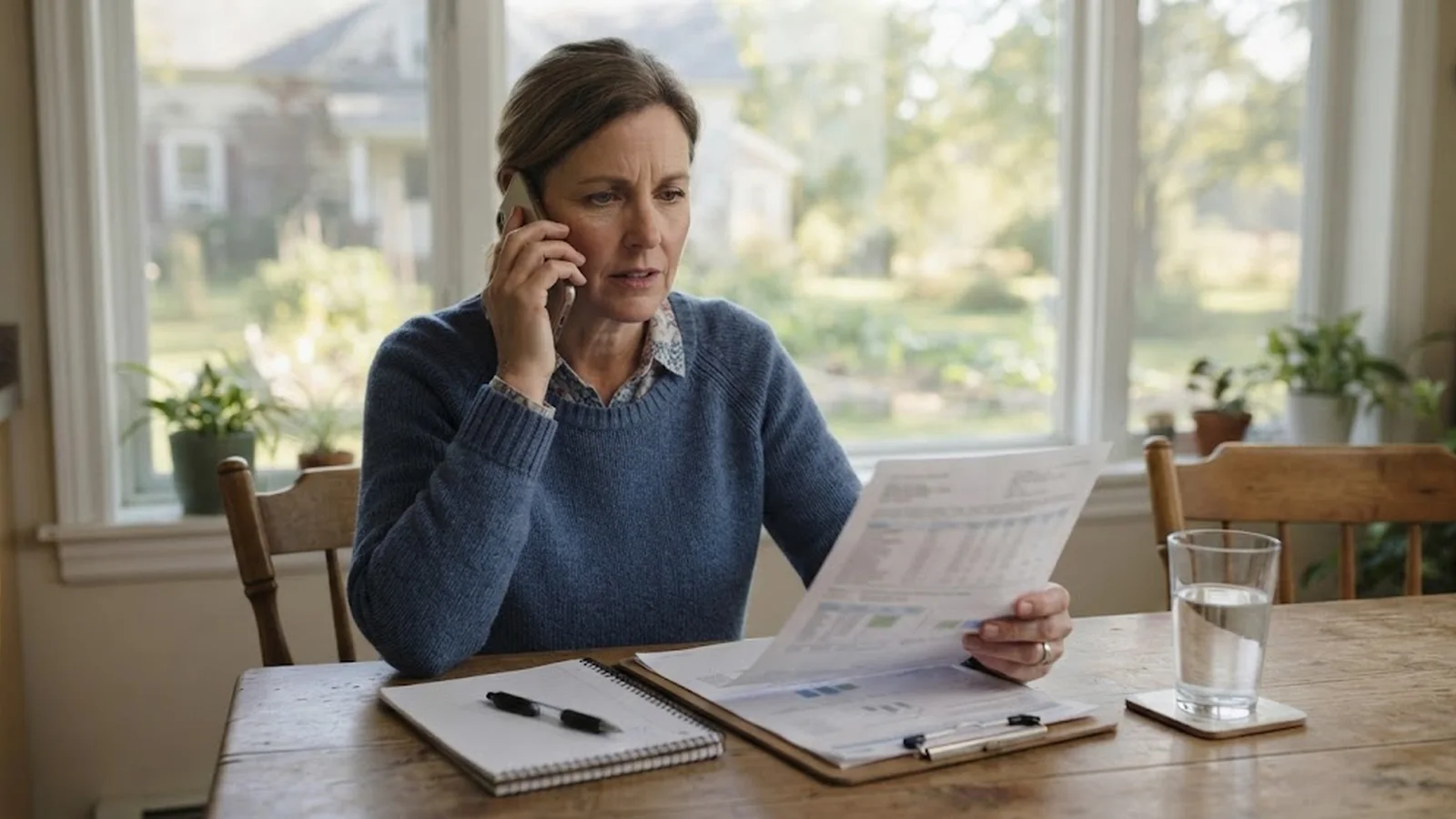
If you own a private well, nobody is testing your water for you. That part is yours. But you are not entirely on your own either. Most counties and states have someone whose job includes private wells, and that office often knows things about your area that you will never find on a national website: which parts of the county tend to have certain natural minerals, which labs local owners use, whether there is a testing program you qualify for, and what to do when a result comes back in a way you did not expect.
The CDC's guidance for well owners points people to their local health or environmental department more than once. It is where you can get a list of certified laboratories, ask what to test for beyond the basics, and get help understanding your results. Plenty of well owners never make that call, usually because they are not sure who to call or what to say once someone picks up.
This guide fixes that. You will learn how to find the right office, what to have in front of you before you dial, and the questions that tend to get you the most useful answers.
First, find the office that actually handles wells
The name of the office changes from place to place. In some areas it is the county health department. In others it is an environmental health division, a state department of environmental quality, a natural resources agency, or a water resources office. Some states run private well programs at the state level and the county mostly refers you there.
A few ways to find the right door:
- Search your county name plus "private well" or "well water testing." The page you want usually mentions sampling, water testing, or well permits.
- Look up your county's environmental health division. Well permits and septic permits often live in the same office.
- Ask your county extension office. Extension staff often know exactly who handles wells and may run their own testing clinics or workshops.
- If you are stuck, the EPA's private well pages link out to state resources, and the EPA's Safe Drinking Water Hotline can point you in a direction.
When you find a page, look for a phone number or email specifically for private wells or environmental health, not the general switchboard. You will get a better conversation with someone who handles wells every week.
Before you call, gather a few things
You do not need a stack of paperwork. But having a few details in front of you turns a vague conversation into a useful one.
Your address and how long you have lived there. Groundwater conditions can vary within a single county, so location matters.
What you know about the well. Drilled or dug, roughly how deep if you know, and roughly how old. If you have the well construction record, sometimes called a well log, keep it handy. If you do not have it, that becomes one of your questions.
Any test results you have. Old reports count. So do reports from a previous owner. Keep them in date order.
Any treatment equipment in the house. Write down what you can see: a softener, a filter, an under-sink system, a UV unit. You do not need model numbers for a first call.
What prompted the call. Maybe you just moved in. Maybe the water changed. Maybe a neighbor mentioned something. Maybe you simply realized you have never tested. Being clear about why you are calling helps the person on the other end point you to the right answer.
Who lives in the house. You do not have to share personal details, but it is fair to mention if there is a baby on the way or a young child in the home. The CDC lists both as reasons to test, and some offices have specific guidance for those households.
Questions about testing
This is usually the most valuable part of the call. Here are questions worth asking, roughly in the order they tend to come up.
"What do you recommend private well owners in my area test for?" National guidance gives you a starting list. The CDC suggests testing every year for total coliform bacteria, nitrates, total dissolved solids, and pH, and says to ask your local health or environmental department which other contaminants matter where you live. This is the moment to ask. Your local office may mention natural substances that are common in your region, or concerns tied to past land use nearby.
"How often should I test for those things here?" Some tests make sense every year. Others may only need to be done once and then repeated occasionally, depending on your area and your results. Let them tell you what fits your situation rather than guessing.
"Do you have a list of certified laboratories?" Many health departments keep one, and the CDC specifically suggests asking your health department or county for it. Certification matters if you plan to make health decisions from the result.
"Does your office, or the state, offer any free or reduced-cost testing?" Ask whether your office or state offers a testing program you qualify for, what it covers, and how to take part. Do not assume a program is available or free until the office confirms it.
"Is there a testing event or clinic coming up?" Extension offices and health departments sometimes run screening days where you can drop off a sample. These can be a good way to get started, though a screening may not replace a full certified lab panel for every question.
"Who should collect the sample?" Some programs want you to collect it yourself with their bottles and instructions. Others send someone out, or recommend you hire a professional for certain tests. Either way, the lab's own instructions come first.
"Do I need any special bottles or timing?" Bacteria samples in particular often have strict timing rules between collection and arrival at the lab. Ask before you fill anything. Our guide on how to collect a well water sample covers the general idea, but your lab's instructions are the ones to follow.
Questions about your results
If you already have a report, or once you get one, the health department can help you understand what it means for your household. This is not something to figure out from internet charts alone.
"Can you help me understand this report?" The CDC says plainly that your health or environmental department can help you understand results and what to do next. Have the report in front of you and ask them to walk through anything flagged.
"Is anything here a reason to stop drinking the water right now?" Ask this directly. If the answer is yes, follow their advice before anything else, including any thought of buying equipment.
"Is this result something you see often in this area?" Knowing that a result is common locally can change how you think about it. So can knowing that it is unusual.
"Should I retest to confirm this?" Sometimes a retest is the sensible next step, especially if a sample might have been affected by how or where it was collected. They can tell you whether a retest makes sense and what to change.
"Does this result suggest anything about the well itself?" Some results point toward the water source. Others can point toward the well's construction, the plumbing, or treatment equipment. Your health department may suggest having a licensed well contractor look at the system.
"Is there anything about my household I should mention to a doctor?" The health department will not diagnose anyone, and neither will we. But they can tell you whether a result is the kind of thing worth raising with a health care provider, especially for pregnant people, infants, or anyone with a medical condition.
Our article on how to read a well water lab report can help you get familiar with how reports are laid out, but your health department and lab are the right people to interpret your specific numbers.
Questions about the well and the property
Health departments often handle more than water tests. Depending on where you live, the same office may keep well permits, septic permits, and inspection records.
"Do you have a well construction record for my address?" Records may be held by the county or by a state agency. If they have it, ask for a copy. It can tell you depth, casing details, and other information that helps every future conversation about your well.
"Do you have septic records for my property?" Knowing where the septic system is, and when it was installed or inspected, matters for a property with a well. Our guide on living with a well and a septic system explains why.
"Are there any known concerns near my property?" This might include past spills, old landfills, or land uses the office is aware of. They may not be able to share everything, but it is fair to ask.
"Are there any rules I should know about if I plan to repair the well, drill a new one, or close an old one?" Permits and requirements differ widely by location. Ask before any work starts. If you have an old well on the property, our article on old or unused wells explains why it is worth asking about.
Questions after a flood, storm, or other event
If something has happened that might have affected your well, such as flooding, a spill, nearby construction, or repairs, the health department is often the first call.
"What do you recommend after an event like this?" The CDC lists flooding, land disturbance, and repairs to the well system as reasons to test more often. Your local office may have specific instructions for your area, and may know about events affecting other wells nearby.
"Should we stop using the water until it is tested?" Ask this plainly, and follow their guidance.
"Is there help available?" After larger disasters, some areas offer free test kits or other assistance for well owners. Ask whether anything like that is running.
Our Well Care page has general guidance on what to do after flooding, and links to the EPA and CDC pages on the subject.
How to make the call go well
A few small things make a big difference.
Keep it simple at the start. "Hi, I have a private well at this address and I want to make sure I am testing for the right things" is a great opening. You do not need to explain everything at once.
Take notes as you go. Write down the person's name, the date, and the key points. If they mention a lab, a program, or a website, write it down exactly.
Ask them to repeat anything you did not catch. People who answer well questions every day sometimes speak in shorthand. It is completely fine to say, "Can you explain what that means?"
Ask what to do next. Before you hang up, ask, "What is the one thing you would do next if you were me?" That question tends to cut through a lot.
Follow up in writing if needed. If the answer was complicated, a short email recapping what you understood gives them a chance to correct anything.
Be patient with limits. Health department staff can be stretched thin, and some offices handle many programs at once. If they cannot answer something, ask who can.
What the health department usually will not do
It helps to know where their role ends, so you are not surprised.
- Most will not recommend a specific brand of treatment equipment.
- Most will not come fix your well or plumbing. That is a job for a licensed well contractor or plumber.
- They will not diagnose an illness. If you have health concerns, talk to a health care provider.
- Their programs and services vary a lot. What one county offers, the next may not.
That is all normal. Think of them as your best local source of information and direction, not a repair service.
Keep what you learn
After the call, put your notes in the same folder as your test results and well records. Over time, that folder becomes the most useful thing you own about your well. It helps every professional you work with, and it helps whoever owns the house after you.
If you are not sure what belongs in that folder, our annual well testing guide and Well Care page both talk about the records worth keeping.
Quick answers
Is it free to call the health department?
Asking questions is generally free. Testing programs, permits, and inspections may or may not have fees depending on where you live.
What if my area does not seem to have a private well program?
Try the state level, the county extension office, or the state agency that oversees drinking water or groundwater. Someone almost always handles well questions, even if the program has a different name.
Can I just use a home test kit instead?
Home kits can be useful for a quick look, but for results you will use to make health decisions, a state-certified laboratory is the standard recommendation. Your health department can tell you which labs are certified for which tests.
The short version
Your local health department is one of the most useful and least used resources a well owner has. Find the office that handles private wells, gather a few basics before you call, and ask what to test for, how often, which labs are certified, and whether any testing help is available. When results come back, ask them to help you understand what they mean and what to do next.
It is one phone call, and it can shape every decision you make about your water from here on.